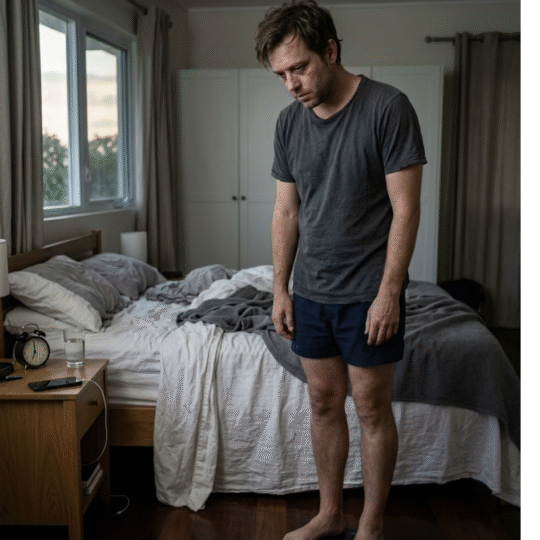
Chronic Back Pain—Worsening the life quality
Chronic back pain is defined as persistent discomfort in the back that lasts for more than three months. People with this condition have ongoing pain that can range from mild to severe and affect them in different ways. Unlike acute back pain, which is typically a short-term condition resulting from injury or strain, chronic back pain is often more complex, having the potential to persist even after the underlying cause has been treated. This duration distinction is crucial, as it influences both treatment approaches and the patient’s outlook.
The prevalence of chronic back pain is significant, affecting a large portion of the global population. Studies indicate that approximately 60–80% of adults experience some form of backache during their lifetimes. The impact of this condition is profound, as it not only causes physical discomfort but can also lead to psychological distress. Individuals suffering from chronic back pain often encounter difficulties in performing daily activities, such as work, personal care, and recreational endeavors, which can adversely affect their overall quality of life.

Furthermore, chronic back pain places a considerable burden on healthcare systems due to the need for ongoing medical care, physical therapy, and sometimes surgical interventions. It is one of the leading causes of disability worldwide, contributing to decreased productivity and increased healthcare costs. The multifactorial nature of chronic back pain often requires a comprehensive management approach that can include medication, lifestyle modifications, physical therapy, and sometimes alternative treatments.
Recognizing the nuances and implications of chronic back pain is essential for both patients and healthcare providers. Understanding its definition, prevalence, and differing characteristics from acute back pain allows for better patient education and management strategies, ultimately aiming to enhance functional outcomes and improve the quality of life of those affected by this common health issue.
Causes of Chronic Back Pain
Chronic back pain encompasses a complex interplay of various factors, making it a multifaceted condition with numerous contributing elements. One of the primary determinants is age, as the incidence of backache tends to increase with advancing years. Age-related degeneration of spinal components, such as discs and joints, leads to conditions like osteoarthritis, which can contribute to chronic discomfort.
Lifestyle choices also play a significant role in the development of chronic back pain. Sedentary behavior often leads to weakened muscles and poor posture, increasing strain on the back and resulting in discomfort. Conversely, engaging in high-impact activities without proper conditioning can lead to injuries that precipitate persistent back pain. Moreover, obesity is a pivotal element, as excess weight places additional stress on the spine, exacerbating pre-existing conditions or leading to new ones.
Occupational factors cannot be overlooked either. Jobs that involve heavy lifting, prolonged sitting, or repetitive motions increase the risk of developing back problems. Additionally, periods of stress found in demanding work environments can lead to tension and muscle strains, contributing to worsening backache.
Injuries, whether from accidents, falls, or sports activities, are significant contributors to chronic back pain. These injuries may cause immediate damage or, over time, result in chronic conditions due to inadequate healing or rehabilitation.
Beneath the surface, underlying medical conditions such as herniated discs, spinal stenosis, or infections can also cause long-lasting pain. Apart from physical factors, psychological components such as anxiety and depression can further amplify the perception of pain. This emphasizes the multifactorial nature of chronic back pain, necessitating a comprehensive understanding of its causes for effective management.
Pathogenesis of Chronic Back Pain
Chronic back pain is often a complex interplay of biological mechanisms that result from an initial injury or trauma. One of the pivotal processes involved is central sensitization, which refers to the heightened sensitivity of the nervous system to stimuli that typically would not elicit pain. Following an injury to the back, such as a strained muscle or herniated disc, the nervous system can undergo changes that amplify pain signals, making even normal movements feel painful. This altered state results in backache persisting long after the initial injury has healed.
In addition to central sensitization, inflammation plays a significant role in the pathogenesis of chronic back pain. When tissues in the back are injured, it triggers an inflammatory response intended to promote healing. However, if this inflammatory response is prolonged or excessive, it can lead to persistent back pain. The release of inflammatory mediators can affect nearby nerve fibers, thereby enhancing pain perception. Such inflammation may be localized to the spine or may involve broader areas, leading to more generalized discomfort.
Moreover, alterations in spinal structures can contribute significantly to the persistence of back pain. Degenerative changes, such as disc degeneration or facet joint osteoarthritis, can result in structural abnormalities that cause mechanical strain on surrounding tissues. This strain can generate ongoing backache due to increased pressure on nerves or instability in the spine. These multifactorial mechanisms—ranging from neural changes to inflammatory responses and structural alterations—work synergistically to perpetuate chronic back pain. Understanding these underlying biological processes is essential for effective pain management and the development of targeted therapeutic interventions.
Clinical Features of Chronic Back Pain
Chronic back pain is a prevalent condition that impacts numerous individuals around the globe. The clinical presentation of this ailment can vary significantly among different patients, often leading to distinctive patterns of pain that can be classified into localized and radiating types. Localized back pain generally refers to discomfort that is confined to a specific area, usually within the lumbar region, and may result from various underlying conditions, including herniated discs or musculoskeletal injuries. In contrast, radiating pain, often termed radicular pain, extends from the back along the path of a nerve, typically manifesting in the buttocks, legs, or even as far as the feet. This type of pain can frequently be associated with nerve compression or irritation.
Patients may also experience additional features associated with chronic backache, such as stiffness and restricted movement. Stiffness, particularly in the morning or after periods of inactivity, can significantly diminish the quality of life, making it challenging for individuals to perform daily tasks. Reduced flexibility in the back not only affects mobility but also has implications for engaging in occupational and recreational activities.
The impact of chronic back pain on daily living can be profound, often interfering with one’s ability to maintain a regular work schedule and participate in social activities. Individuals suffering from this condition may find themselves adjusting their routines or avoiding certain movements due to fear of exacerbating their symptoms. Diagnostic criteria for chronic back pain typically involve a thorough clinical assessment, including patient history, physical examination, and appropriate imaging studies when necessary. Such assessments aim to identify the underlying causes, classify the pain type, and guide effective management strategies, ensuring that patients receive comprehensive care tailored to their specific needs.
Lifestyle Changes to Manage Chronic Back Pain
Chronic back pain is often a multifaceted condition influenced by a variety of lifestyle factors. Implementing positive lifestyle changes can play a significant role in alleviating backache symptoms, thus improving overall well-being. One of the most effective strategies is engaging in regular exercise. Activities such as walking, swimming, and yoga promote flexibility, strengthen muscles supporting the spine, and can help mitigate the severity of a backache. It is advisable to consult with a healthcare professional before initiating any exercise regimen, particularly to tailor the activities to individual capabilities and needs.
Maintaining a healthy weight is also crucial in managing chronic back pain. Excess weight increases stress on the spine and surrounding muscles, which can exacerbate backache. A balanced diet complemented by suitable physical activity can aid in achieving and sustaining a healthy body weight. Nutrition plays a pivotal role; incorporating anti-inflammatory foods such as fruits, vegetables, and omega-3 fatty acids may help reduce inflammation associated with back pain.
Ergonomic practices in various settings are essential in reducing the risk of developing or worsening back pain. At work, ensuring that the workstation is ergonomically designed can alleviate unnecessary stress on the back. Simple adjustments such as using a chair with proper lumbar support and positioning computer screens at eye level can lead to significant improvements. At home, maintaining proper posture while sitting, standing, and lifting can greatly decrease the incidence of backache.
Stress management techniques, including mindfulness and relaxation exercises, are also valuable tools in combating chronic back pain. Stress can contribute to back muscle tension, so practices like meditation, deep breathing, and progressive muscle relaxation may help mitigate this effect. By adopting these holistic lifestyle modifications, individuals suffering from chronic back pain can proactively manage their symptoms, leading to enhanced quality of life.
Complications Associated with Chronic Back Pain
Chronic back pain is not merely a physical ailment; it often leads to a multitude of complications that can significantly affect an individual’s overall well-being. Beyond the persistent discomfort and impaired mobility, individuals experiencing backache may face notable psychological issues. Many studies have established a strong connection between chronic pain and mental health disorders such as depression and anxiety. The persistent nature of back pain can contribute to feelings of helplessness and frustration, exacerbating these conditions.
Moreover, the social implications of chronic back pain can be profound. Individuals may find themselves withdrawing from social interactions due to physical limitations or the fear of exacerbating their condition. This isolation can lead to a decreased quality of life, fostering feelings of loneliness and exacerbating mental health issues. In professional life, chronic back pain can hinder productivity, lead to increased absenteeism, or even contribute to job loss. Concerns about job security and performance can further intensify stress and anxiety, creating a cycle that is challenging to break.
Physical limitations due to back pain can affect daily activities, leading to a reliance on others for assistance with basic tasks. This dependency can diminish self-esteem and induce feelings of inadequacy. Additionally, chronic back pain may lead to secondary physical conditions, such as poor posture, reduced flexibility, or decreased strength, compounding the difficulties faced by affected individuals.
Recognizing these potential complications underscores the importance of early intervention and comprehensive management strategies. Addressing not only the physical aspects of back pain but also the emotional and social dimensions can foster a multidimensional approach to recovery, ultimately paving the way for a better quality of life for those affected.
Management Strategies for Chronic Back Pain
Chronic back pain, a condition affecting millions worldwide, often requires a multifaceted management approach tailored to individual patient needs. Effective management begins with a comprehensive assessment, which is crucial to identifying the most appropriate interventions. A cornerstone of treatment involves pharmacological therapies. Nonsteroidal anti-inflammatory drugs (NSAIDs) are commonly prescribed for pain relief, while muscle relaxants can alleviate tension-induced discomfort. In some cases, stronger opioids may be necessary; however, their use must be carefully monitored due to the risk of dependency.
Alongside medication, physical therapy plays a vital role in the management of backaches. A qualified therapist can design an exercise program focusing on strengthening core muscles, improving flexibility, and restoring function. Regular physical activity not only helps mitigate pain but also reduces the likelihood of future flare-ups. Patients are encouraged to engage in low-impact exercises, such as swimming or cycling, which minimize stress on the spine while promoting mobility.
Alternative therapies, including acupuncture and chiropractic care, have gained attention for their potential benefits in managing chronic back pain. While research is ongoing, some studies suggest that these modalities may provide sufficient relief for certain patients. It is essential to discuss such treatments with healthcare providers to ensure safety and compatibility with existing therapies.
In cases where conservative measures fail, surgical options may be considered. Procedures such as spinal fusion or discectomy aim to relieve pain by addressing the underlying structural causes. Surgical interventions, however, carry inherent risks and should be evaluated thoroughly with a specialist.
Ultimately, a multidisciplinary approach that encourages patient involvement in treatment decisions is paramount. This collaborative strategy fosters a sense of ownership over the healing process, enhancing satisfaction and outcomes for individuals suffering from chronic back pain.
Preventive Measures for Chronic Back Pain
Chronic back pain often stems from a combination of factors, including lifestyle choices, occupational hazards, and physical health. Implementing preventive measures can significantly reduce the risk of developing backache later in life. One of the most effective strategies is to focus on maintaining proper posture. This includes being mindful of how one sits, stands, and moves throughout the day. Individuals are encouraged to keep their spine aligned, whether sitting at a desk, lifting objects, or even during leisure activities.
Another essential aspect of prevention involves ergonomic assessments, particularly in the workplace. Employers and employees alike should strive to create an ergonomic workspace that minimizes physical strain. Adjustable chairs, desks, and proper computer monitor placement can help alleviate undue pressure on the back, thus decreasing the likelihood of back pain development. Additionally, regular assessments of one’s work setup can be beneficial, especially when changes in workload or body mechanics occur.
Engaging in regular exercise routines also plays a significant role in preventing back pain. Strengthening core muscles helps provide better support for the spine. Exercises that promote flexibility and overall fitness, such as yoga or swimming, can enhance spinal health and reduce the risk of injury. It is advisable for individuals to consult with fitness professionals to design an exercise regimen that accommodates their unique needs and fitness levels.
Moreover, becoming aware of body mechanics during activities is crucial. Taking the time to learn how to lift heavy objects properly or to perform specific tasks in a way that does not strain the back can have lasting benefits. Lastly, individuals should not ignore acute back pain; instead, they should seek early intervention to address the issue. Prompt treatment can prevent a transition from acute to chronic back pain, highlighting the importance of being proactive in managing back health.
Conclusion and Future Directions
Chronic back pain, a condition affecting millions globally, presents significant challenges that can impact various facets of an individual’s life. Throughout this blog post, we have explored the multifaceted nature of backpain, examining its common causes, pathogenesis, and management strategies. It is evident that chronic backache is not merely a single ailment but a complex interplay of physical, psychological, and social factors.
The pathophysiology of back pain highlights how underlying conditions, such as degenerative disc disease, muscle strain, or nerve compression, can lead to persistent discomfort and reduced quality of life. The management of backpain requires a comprehensive approach that integrates pharmacological treatments with non-pharmacological interventions such as physiotherapy, cognitive behavioral therapy, and lifestyle modifications. This multifaceted strategy is essential for addressing not just the symptoms but also the root causes of backache, thus promoting long-term healing and preventative care.
Moving forward, it is crucial to continue advancing our understanding of chronic back pain. Research efforts should focus on clarifying the various etiological factors contributing to this condition, as well as investigating new therapeutic modalities. Additionally, a more significant emphasis on the psychological dimensions of backpain is necessary, as mental health can profoundly influence the perception of pain and disability. Furthermore, the integration of social determinants of health into the assessment and management of chronic backache will allow for more effective and personalized care.
In conclusion, addressing chronic back pain requires a holistic approach encompassing various dimensions of health. By fostering interdisciplinary collaboration and innovative research, we can further enhance the quality of life for individuals suffering from backbone disorders and develop targeted strategies that mitigate this pervasive issue. Continued awareness and action are paramount in tackling the ongoing challenges associated with chronic back pain.